NAD IV Therapy

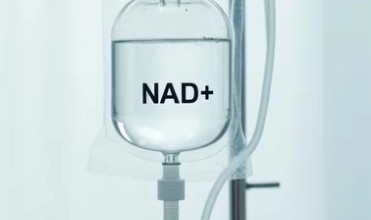
NAD IV therapy is a medically supervised treatment designed to deliver nicotinamide adenine dinucleotide (NAD+) directly into the bloodstream through intravenous infusion. For individuals researching how NAD therapy works, begin with our what is NAD guide to understand its role in cellular energy production and metabolic function. NAD IV therapy is commonly used in clinical wellness programs focused on supporting cognitive performance, recovery, and healthy aging through structured dosing protocols.

Below, we compare NAD IV (Intravenous) therapy programs to help you evaluate provider oversight, infusion protocols, and overall treatment structure. Before selecting a program, review our NAD injection cost breakdown and learn more about dosing considerations in our NAD injection dosage guide. To compare treatment outcomes with IV vs. injections, see our NAD injections before and after guide.
nad iv therapy image

Compare NAD Injection Programs

See how leading NAD injection programs compare before choosing a provider.

How NAD IV Therapy Works

Intravenous NAD+ infusion delivers nicotinamide adenine dinucleotide directly into circulation over a controlled period of time. Because this method bypasses the digestive system, it allows the compound to reach tissues systemically to support cellular energy production at the mitochondrial level.For individuals who prefer a more flexible, clinician-supervised option outside of an infusion center, comparing at-home programs may help identify a delivery method that better aligns with daily routines and treatment goals.

During treatment, infusion sessions are administered based on provider protocol and individual tolerance. Session length, strength, and frequency are typically adjusted by a licensed clinician according to therapeutic goals and patient response.

NAD Injections vs NAD Intravenous Therapy

Both injection-based and IV-delivered NAD+ protocols introduce nicotinamide adenine dinucleotide into the body, but differ in administration method, treatment setting, and overall dosing structure.

To explore how injection programs are structured, review our What Are NAD Injections guide.

Delivery Method

NAD Intravenous therapy is administered through intravenous infusion, allowing NAD+ to enter circulation gradually over a controlled period. In contrast, NAD injections are typically delivered subcutaneously or intramuscularly in smaller, measured doses.

Treatment Setting

IV-based therapy is commonly performed in clinical environments or supervised infusion centers, while injections may be completed at home following telehealth approval and clinician guidance.

Dosing Structure

NAD IV therapy sessions are often scheduled based on infusion duration and total milligram delivery per session. Injection-based protocols may involve more frequent administration in lower doses over time, depending on provider recommendations.

What NAD IV Therapy May Support

Energy Metabolism

NAD IV therapy is commonly used in clinical wellness settings to help support cellular energy production and mitochondrial activity through direct NAD+ delivery.

Cognitive Function

Some programs include NAD IV therapy as part of protocols focused on mental clarity, focus, and recovery from cognitive fatigue.

Recovery & Performance

Infusion-based treatment may be incorporated into structured plans aimed at supporting physical recovery and metabolic resilience under provider supervision.
Individuals exploring IV-based protocols for structured aging and long-term cellular health can review our detailed guide on NAD injections for longevity for a deeper look at lifespan-focused therapy planning.

NAD IV Therapy FAQs

NAD IV therapy is commonly included in clinician-directed wellness programs that aim to support cellular energy production, metabolic function, cognitive performance, and recovery through intravenous NAD+ infusion.

Session length varies depending on dosage strength and provider protocol. NAD IV therapy infusions are typically administered over a controlled period to support tolerance and monitored delivery.

When administered under licensed medical supervision, NAD IV therapy is generally well tolerated. Some individuals may experience temporary effects such as nausea, headache, or fatigue during infusion.

Treatment frequency is typically determined by infusion strength, therapeutic goals, and provider protocol. Some programs begin with more frequent sessions before transitioning to a maintenance schedule.

NAD IV therapy delivers NAD+ through intravenous infusion, while injections are administered subcutaneously or intramuscularly. The primary difference lies in delivery method and administration setting.
Start NAD Therapy with Medical Guidance
Before beginning infusion-based NAD+ support for metabolic health, consult with a licensed provider to determine whether this treatment approach aligns with your individual health goals. Clinical oversight helps ensure infusion strength, treatment frequency, and protocol planning are tailored appropriately to your needs.

If you're considering NAD-based programs, explore clinically supervised options in our best NAD injections guide and examine potential safety factors in our NAD injection side effects overview.
🔒 Valid prescription for NAD or NAD+ injections from a licensed provider required.


Find more details about NAD Injections.