Where to Inject NAD

A NAD injection can be administered in several locations depending on the route your provider prescribes and whether you are self-injecting at home or receiving treatment in a clinical setting. The most common sites for subcutaneous NAD injections are the abdomen, outer thigh, and upper arm — all areas with accessible fatty tissue that allow for consistent absorption. Understanding where to inject NAD correctly helps reduce discomfort, avoid tissue damage, and maintain steady NAD+ delivery across your NAD injection dosage chart schedule. Most at-home programs are accessed through a NAD injection prescription issued after a telehealth consultation, which will include specific instructions on site selection and injection technique tailored to your protocol.
Diagram showing where to inject NAD including abdomen and thigh subcutaneous injection sites

Compare NAD Injection Programs

See how leading NAD injection programs compare before choosing a provider.

Common Sites for NAD Subcutaneous Injections

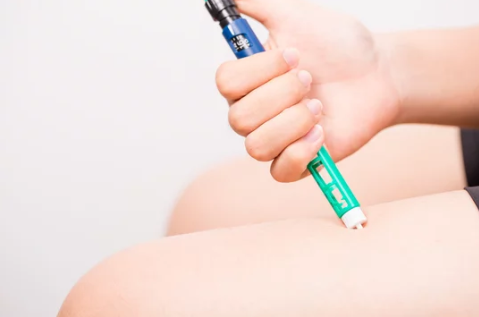
The three most commonly used subcutaneous injection sites for at-home NAD therapy are the abdomen, outer thigh, and upper arm. The abdomen is typically preferred because it offers a larger surface area, consistent fatty tissue depth, and easy access for self-injection. The outer thigh is a reliable alternative, particularly for individuals who find abdominal injections uncomfortable. The upper arm is less commonly used for self-injection due to the difficulty of reaching the site unassisted, though it may be used in clinical settings. Rotating between sites is important — injecting repeatedly into the same spot can cause tissue irritation, bruising, or lipodystrophy over time. For a closer look at potential reactions and how to minimize them, review our NAD injection side effects guide.

Subcutaneous vs Intramuscular NAD Injections

NAD injections are administered either subcutaneously — into the fatty tissue just below the skin — or intramuscularly, directly into muscle tissue. Subcutaneous injection is the most common route for at-home NAD programs because it is easier to self-administer, requires a shorter needle, and carries a lower risk of hitting nerves or blood vessels. Intramuscular injections are typically performed in clinical settings by a licensed provider and may use sites such as the deltoid or gluteal muscle. Absorption rates differ slightly between the two routes, and your provider will determine which method is appropriate based on your dosing protocol and treatment goals. For a broader look at how injection-based delivery compares to oral options, review our NAD supplement guide.

How to Self-Inject NAD at Home Safely

Self-injecting NAD at home is a straightforward process when done correctly and under the guidance of a licensed provider. Before injecting, wash hands thoroughly, clean the injection site with an alcohol swab, and allow the skin to dry completely. Draw the prescribed amount into the syringe according to your provider's instructions, remove any air bubbles, and pinch the skin gently at the chosen site before inserting the needle at the angle specified in your administration guide. Inject slowly, withdraw the needle, and apply light pressure with a clean swab. Never reuse needles, and dispose of sharps in an approved sharps container. Most telehealth programs that offer at-home NAD therapy include a video walkthrough and provider support to guide you through your first injections. To understand the full structure of your treatment plan including dosing phases and titration schedules, review our NAD injection protocol guide. To understand how frequently injections are typically scheduled, review our NAD injection frequency guide.

Why Injection Site and Technique Matter for NAD Therapy

Where and how you inject NAD directly affects how well your body absorbs and utilizes the compound across each treatment session. Injecting into an area with inadequate fatty tissue, using the wrong needle angle, or failing to rotate sites can all reduce absorption consistency and increase the likelihood of local irritation or bruising. Proper technique also reduces the risk of injection site reactions that may interfere with your overall results. Following your provider's administration instructions precisely — including site selection, needle depth, injection speed, and rotation schedule — helps ensure each dose is delivered effectively and that your results align with the outcomes outlined in your treatment plan. Consistent technique across sessions is one of the most controllable factors in how well a structured NAD program performs over time. For a broader look at what influences treatment outcomes, review our NAD injection benefits guide.

Frequently Asked Questions About Where to Inject NAD

The most common sites for subcutaneous NAD injection are the abdomen, outer thigh, and upper arm. The abdomen is generally preferred for at-home use due to its accessible fatty tissue and large surface area for site rotation.

When self-injecting at home, most providers recommend the abdomen or outer thigh as the primary sites. Your telehealth provider will specify exactly where to inject NAD based on your body composition and prescribed dosing protocol.

Intramuscular NAD injections are typically administered into the deltoid or gluteal muscle by a licensed provider in a clinical setting. Where to inject NAD intramuscularly should always be determined by your prescribing clinician.

Yes — injection site selection directly influences absorption consistency. Injecting into areas with appropriate tissue depth and rotating sites properly helps ensure each dose is delivered effectively within your treatment schedule.

If you notice irritation, bruising, or discomfort at a current injection site, rotate to an alternate approved location and notify your provider. Knowing where to inject NAD and how to rotate correctly is covered in your program's administration instructions.

Getting NAD Injections Right Starts With the Right Site
Knowing where to inject NAD is one of the most practical steps in building a safe and effective at-home treatment routine. Consistent site selection, proper rotation, and correct technique all contribute to how reliably your body receives and processes each dose. Working with a licensed telehealth provider ensures you receive clear administration guidance specific to your program, dosing schedule, and injection route — so where to inject NAD is never a guessing game. If you are ready to explore structured at-home programs that include administration support and clinical oversight, review our best NAD injections at home guide.
🔒 Valid prescription for NAD or NAD+ injections from a licensed provider required.


Find more details about NAD Injections.