NAD+ Injection Side Effects
What to realistically expect from at-home NAD+ injection therapy — common reactions, what's normal, and when to contact your provider.
The Short Answer
NAD+ injections are generally well tolerated under proper medical supervision. Most reported side effects are mild, short-lived, and diminish significantly after the first few sessions as the body adjusts and injection technique improves. Serious adverse reactions are uncommon when treatment is prescribed and monitored by a licensed provider using pharmacy-grade medication. Curious what a realistic results timeline looks like? See our dosage per day breakdown.
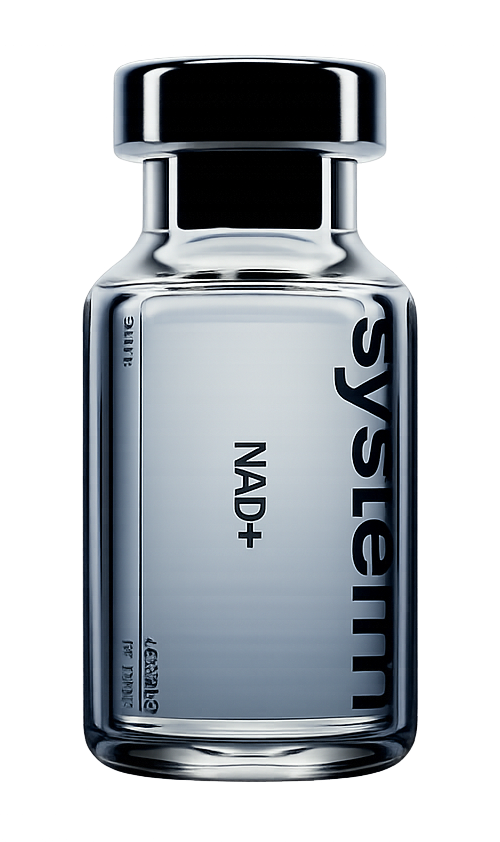
System Labs NAD+ Injections
Clinical-grade NAD+ reviewed by a licensed clinician and sourced from regulated U.S. pharmacies — no clinic visits or IV lounge pricing. Structured dosing with ongoing provider support and free 2-day shipping.
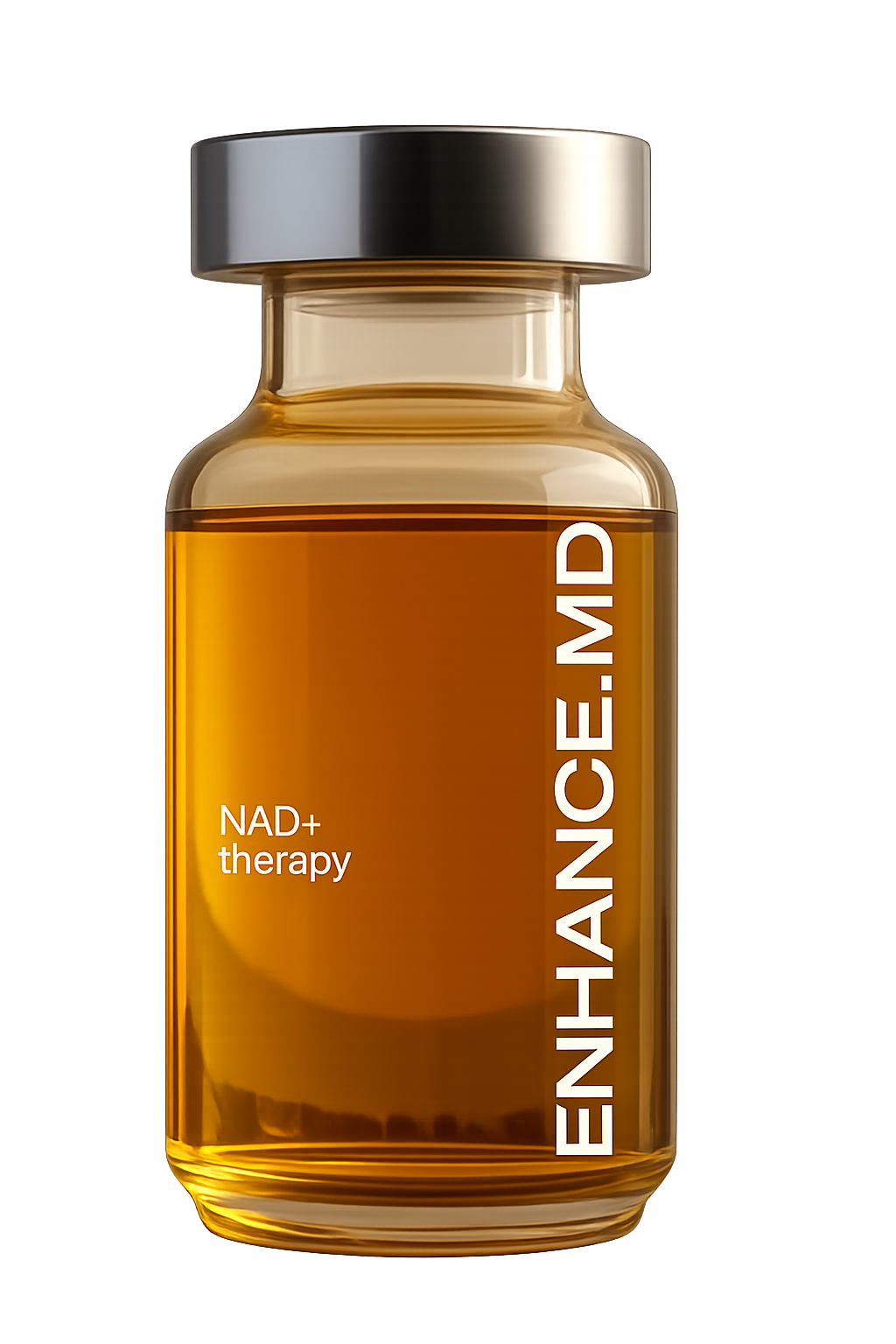
EnhanceMD NAD+ Injections
Pharmaceutical-grade NAD+ delivered via subcutaneous injection for maximum bioavailability and rapid cellular energy support. Includes ongoing provider access and ships direct with full onboarding support.
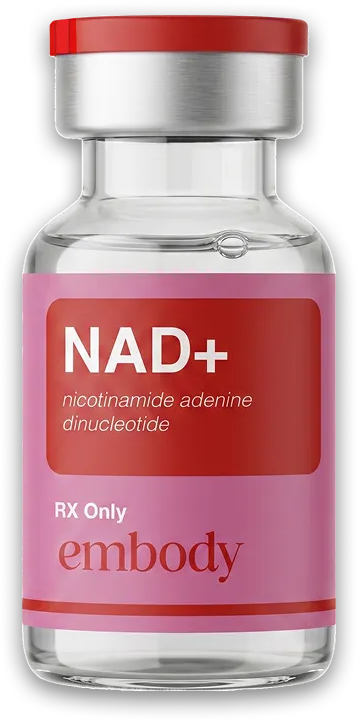
Embody NAD+ Injections
Physician-reviewed NAD+ injections sourced from a US-certified pharmacy, formulated for fast-acting energy and mental clarity support. Includes 1:1 medical guidance and free 2-day delivery.
Common Side Effects
These are the most frequently reported reactions across at-home NAD+ injection programs:
- Injection site redness, tenderness, or mild swelling — the most common reaction, typically resolving within a few hours. Usually caused by normal tissue response to the needle or medication. Proper site rotation minimizes this over time — see our injection site guide for rotation technique.
- Brief nausea or flushing — more common at higher doses or early in treatment, particularly during the loading phase. Usually passes within 30–60 minutes of injection.
- Mild headache — reported by some users during the first few sessions, typically resolving as the body adjusts to elevated NAD+ levels.
- Short-term fatigue immediately after injection — distinct from the chronic fatigue that motivates most people to start therapy. Some users experience a brief energy dip following injection before the restorative effects kick in over subsequent hours.
- Mild bruising at the injection site — usually caused by technique issues (injecting too quickly, not rotating sites) rather than the medication itself. Improves with practice.
Why Side Effects Are Usually Mild
NAD+ is a compound your body already produces and uses — it's not a foreign substance. The side effects associated with injection therapy are generally related to the delivery method (needle, injection site) and the initial adjustment to rapidly elevated NAD+ levels, rather than toxicity from the compound itself.
Proper dose titration — starting lower and building up gradually under provider guidance — is the single most effective way to minimize early side effects. Programs that rush straight to high doses without a gradual ramp-up produce more side effects than those that titrate carefully. See our full dosage guide for how properly structured protocols handle this.
Who Should Use Extra Caution
NAD+ injection therapy is considered safe for most healthy adults, but certain groups should discuss additional considerations with their provider before starting:
- People with pre-existing kidney or liver conditions — NAD+ metabolism involves these organs, and impaired function may affect how the body processes elevated NAD+ levels
- Those on medications affecting metabolic function — particularly medications that interact with sirtuin or AMPK pathways
- Pregnant or breastfeeding individuals — insufficient safety data exists for these populations; most providers will not prescribe NAD+ therapy during pregnancy or breastfeeding
- People with active autoimmune conditions — NAD+ affects inflammatory pathways, and the interaction with active autoimmune disease warrants careful provider evaluation
When to Contact Your Provider
Most side effects resolve on their own within hours. Contact your provider if you experience:
- Persistent swelling, warmth, or signs of infection at an injection site
- Severe or prolonged nausea that doesn't resolve within a few hours
- Any signs of an allergic reaction — hives, difficulty breathing, significant swelling away from the injection site
- Unusual symptoms that persist beyond 24 hours after injection
These reactions are uncommon under properly supervised programs with pharmacy-grade medication. If you're evaluating providers, see our evidence and safety guide for what separates quality programs from lower-quality ones.