Evidence & Reviews

Does NAD+ Therapy Actually Work?

An honest look at the biology, the clinical evidence, real user outcomes, and whether the cost is justified.

The Short Answer

Yes — for most people who use it correctly. NAD+ injections work by restoring a coenzyme your body already produces and depends on for cellular energy production, repair, and metabolic regulation. The biological mechanism is well established. What separates a meaningful result from a disappointing one is almost always execution — proper dosing, a completed loading phase, and a quality provider — not the therapy itself.

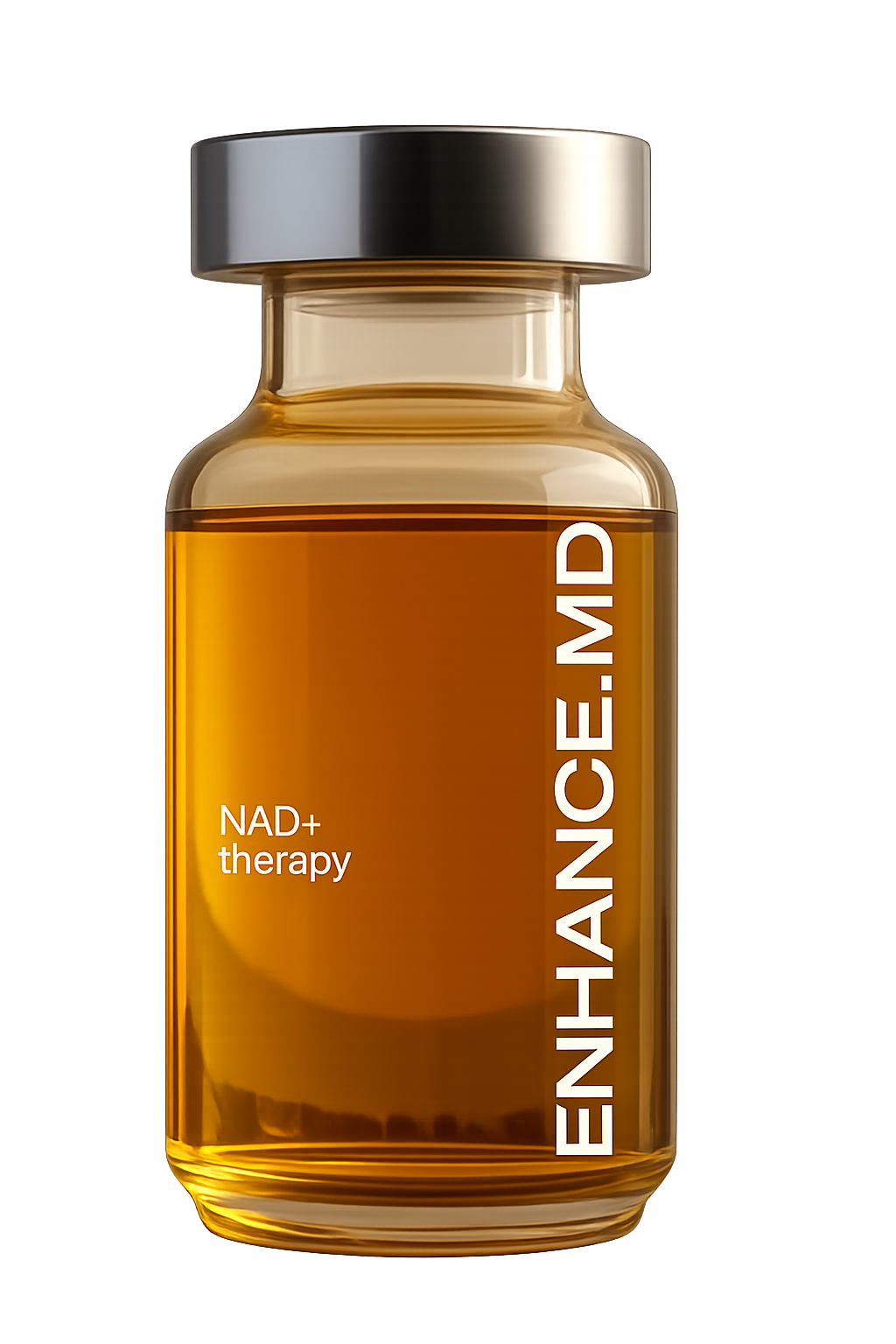
EnhanceMD NAD+ vial
Clinician Led

EnhanceMD NAD+ Injections

Pharmaceutical-grade NAD+ delivered via subcutaneous injection for maximum bioavailability and rapid cellular energy support. Includes ongoing provider access and ships direct with full onboarding support.
View Program →
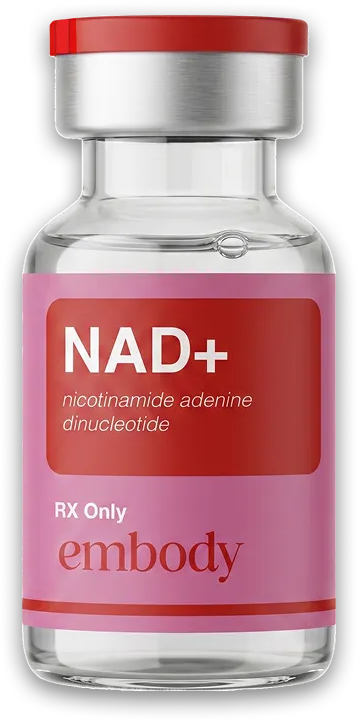
Embody NAD+ vial
Simple Care

Embody NAD+ Injections

Physician-reviewed NAD+ injections sourced from a US-certified pharmacy, formulated for fast-acting energy and mental clarity support. Includes 1:1 medical guidance and free 2-day delivery.

View Program →

What the Clinical Evidence Actually Shows

Human research on NAD+ includes small pilot trials, observational studies, and a limited number of randomized controlled trials — but much of the published literature focuses on intravenous (IV) NAD+ administration or oral precursor compounds (like NMN and NR), not standardized subcutaneous injection protocols specifically.

What's been studied, by outcome:

  • Energy/fatigue — small pilot trials and observational studies report short-term improvements in perceived energy, though sample sizes are small
  • Cognitive function — small controlled and observational research shows mixed but generally positive results for attention and clarity
  • Metabolic markers — small clinical studies on insulin sensitivity show modest short-term changes in limited cohorts
  • Age-related biomarkers — early-stage human trials show preliminary biomarker shifts, with limited long-term data

The honest limitation: NAD+ itself is one of the most studied coenzymes in human biology, with strong foundational research on its role in mitochondrial energy production. What's still developing is large-scale, long-term, randomized controlled trial data specifically evaluating standardized at-home injection protocols. The biological plausibility is strong; the injection-specific clinical trial base is still maturing.

Why Injections Specifically (vs. Pills)

Oral NAD+ precursors must survive digestion before reaching circulation — estimates suggest only 20–40% of the stated dose actually makes it into the bloodstream. (See our full injections vs. pills vs. IV comparison for the complete breakdown.) Injectable NAD+ bypasses digestion entirely, delivering a precise dose directly into circulation.

This matters because the cellular pathways NAD+ activates — sirtuins, AMPK signaling — require NAD+ to reach a sufficient concentration to actually trigger a response. People who tried oral supplements and noticed little effect are frequently not "non-responders" — they may simply have never achieved an adequate dose through that delivery method.

Why NAD+ Injections Sometimes Don't Work

Underdosing. The single most common reason for disappointing results — see our full dosage guide for typical ranges and schedules. NAD+ needs to reach a real cellular concentration to activate the relevant pathways.

Skipping the loading phase. Results come from cumulative cellular replenishment, not a single dose. Evaluating effectiveness after one or two injections is measuring the wrong thing at the wrong time.

Poor provider selection. Programs using low-quality compounding pharmacies or skipping proper medical screening produce worse outcomes than well-structured telehealth programs.

Unrealistic timeline expectations. Energy improvements often appear within days; metabolic and cognitive benefits build progressively over weeks.

What Real Users Report

Most commonly reported benefits:

  • Energy and fatigue relief — the single most frequently cited improvement, often noticed within 3–7 days (see our before and after guide for a realistic timeline)
  • Mental clarity — reduced brain fog, faster processing, better word recall
  • Physical recovery and stamina — faster recovery between training sessions
  • Mood and stress resilience — more gradual to emerge, typically noticeable after two to four weeks (see our full benefits breakdown for more on what to expect)

Most common complaints:

  • Injection site discomfort — brief stinging that typically fades after the first few sessions
  • Slow or inconsistent results — usually traced back to unrealistic timeline expectations or an incomplete loading phase
  • Cost — monthly costs of $150–$400 are a recurring concern, though most users report results justify the investment
  • Provider quality variation — users who chose the cheapest option without vetting quality reported inconsistent results

Is It Safe?

Yes — when prescribed and administered through a licensed provider following proper medical screening, NAD+ injections are considered safe for most healthy adults. Safety comes down to three factors: compounding pharmacy quality, depth of medical intake, and how individualized the dosing protocol is.

Reported side effects are generally mild: temporary injection site discomfort, mild flushing, nausea, or brief fatigue. Who should use extra caution: people with pre-existing kidney or liver conditions, those on medications affecting metabolic function, pregnant or breastfeeding individuals, and those with active autoimmune conditions.

Is It Worth the Cost?

For the right person, approached the right way, with a quality provider — yes. At-home programs typically run $150–$400/month depending on dosage strength and provider. See our full cost and prescription guide for a complete pricing breakdown, including our monthly cost breakdown by tier.

Highest-value group: people over 40 with declining energy and mental sharpness — NAD+ levels drop by roughly 50% between your 20s and 50s, so therapy here is restoring something already lost.

Also high-value: people recovering from chronic fatigue or post-viral symptoms, people with a genuine metabolic component to weight struggles, and women navigating perimenopause and menopause.

Frequently Asked Questions

Yes, for most people who follow a proper protocol with a quality provider. The biological mechanism is well established; results are most reliable for energy, cognitive clarity, and — more gradually — metabolic and longevity outcomes.
Evidence specific to standardized subcutaneous injection protocols is still developing — most published research covers IV administration or oral precursors. The underlying biology of NAD+ is extremely well established; injection-specific large-scale trials are the part still maturing.
Generally yes, for healthy adults under proper medical supervision with screened, individualized dosing. Side effects are typically mild and short-lived.
For people with a genuine cellular energy deficit, most report the results justify the $150–$400/month investment. For people without meaningful symptoms using it purely preventatively, the value is real but more subjective.

Ready to start with a provider who handles dosing properly?

Compare Top-Rated Programs →